Walking into a garden centre reveals numerous hand tools that appear similar at first glance. However, picking up two tools side by side reveals significant differences in weight, balance, handle feel, and head angle. Selecting tools correctly ensures they last decades and make gardening manageable; poor choices lead to broken shafts or wrist pain within a season.
This guide covers everything needed when purchasing garden hand tools for a UK garden, including what each tool does, build quality considerations, materials suited to the British climate, and brands offering genuine value. Whether establishing a new allotment or replacing old equipment, readers will understand exactly what to purchase.
Why hand tools still matter (even with a shed full of cordless kit)
Cordless tools have transformed UK gardens, though hand tools remain essential. Hand tools provide precision—bypass secateurs cleanly cut stems that battery-powered trimmers would damage. A border spade creates neat edges no machine matches. Good hand tools work instantly without charging or fuel. For five-minute tasks, hand tools are faster than cordless alternatives. They’re also quiet and economical over a lifetime.
The essential hand tools every UK gardener needs
Bypass secateurs (pruners)
The most-used tool in most UK gardens. Bypass secateurs have two curved blades passing like scissors, leaving clean cuts on live stems up to 20–25mm. They suit roses, soft prunings, deadheading and light shrub work. Anvil secateurs work better for dead wood.
What to look for: replaceable blades, a sap groove, a lock that you can operate one-handed, and a comfortable handle that suits your hand size.
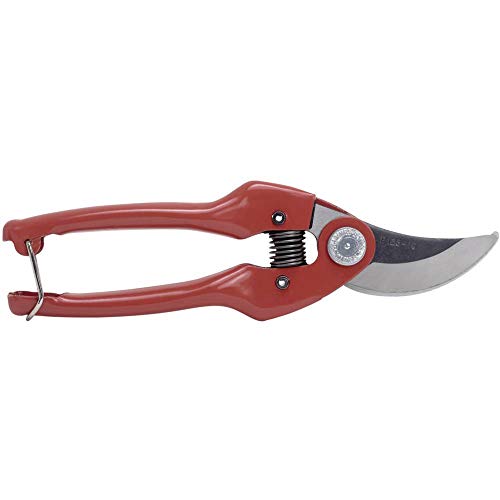
The Felco 2 is the classic lifetime pair: 25mm cutting capacity, sap groove and every part replaceable.
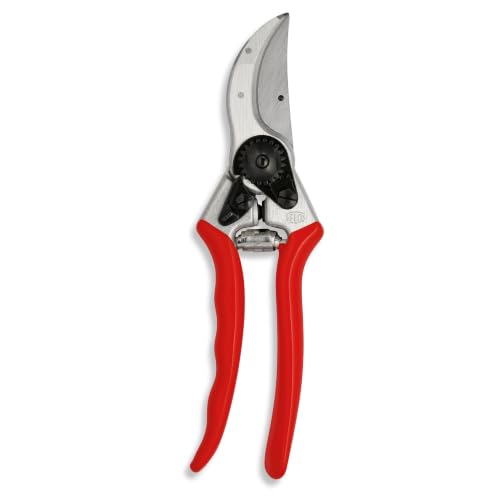

For a far lower outlay with similar day-to-day performance, the Bahco P126-22-F is a well-regarded 20mm bypass pair.
Loppers
Loppers handle anything from 25mm to 50mm—where secateurs end. Their long handles provide leverage for taking down thumb-thick branches. Use bypass loppers for live wood, anvil loppers for dead wood, and telescopic handles eliminate ladder-fetching for fruit trees.
Hand trowel and hand fork
A matched pair used constantly for planting. The trowel digs planting holes and lifts bulbs; the fork loosens soil and removes shallow weeds. Look for one-piece forged heads with tangs running well into handles—cheap pressed trowels bend hitting stones.
Garden spade and digging fork
Essential tools. A border spade works better for smaller gardeners and tight spaces; a digging spade shifts more soil per spadeful. A digging fork is crucial for heavy UK clay soils—it breaks ground spades cannot enter and lifts perennials without slicing roots. Stainless steel cleans more easily on clay; carbon steel is tougher in stony soil.
A good all-rounder is the Spear & Jackson Traditional Stainless Steel Digging Fork, which sheds sticky clay well.

Hedge shears
Even with a hedge trimmer, hand shears earn their place on box, topiary and small lavender hedges. They provide finer finishes than powered trimmers and are quicker than charging a battery for five-minute jobs. Wavy or serrated edges grip stems better.
Garden knife
An underrated tool. A hori-hori (Japanese garden knife) suits transplanting, cutting through roots, dividing perennials and weeding out dandelions.
Weeder
Long-handled weeders save backs on lawns full of dandelions and plantains; short hand weeders work better in borders. Look for forged heads—pressed sheet-metal weeders bend on well-rooted weeds.
Rakes
Two types are useful. A soil rake (level head rake) prepares seed beds and breaks down clods. A spring-tine lawn rake (leaf rake) clears leaves, scarifies lightly and gathers grass clippings. Don’t attempt both jobs with one rake.
Materials and build quality — what really matters
A good hand tool is mostly metallurgy. Key considerations when examining tools include the following.
Carbon steel vs stainless steel
Carbon steel is harder, holds edges longer and costs less. It rusts quickly if left wet—a significant UK consideration. Use carbon steel where edge retention matters: secateurs, loppers, knives, hedge shears.
Stainless steel resists rust, stays cleaner and doesn’t stick in wet clay soil. It’s slightly softer than carbon steel, dulling faster, but for tools not primarily cutting—spades, forks, trowels—stainless provides easier maintenance. Check whether heads are fully stainless or just stainless-coated; coated heads chip and rust through within two years.
Forged vs pressed
Forged tools are made from single steel billets hammered into shape. They’re stronger, heavier, more expensive and last decades. Pressed tools are stamped from sheet metal and welded; they feel light and tinny and bend under heavy use. Looking at tool back surfaces reveals differences: smooth, slightly uneven surfaces suggest forging; perfectly flat, sharp-edged surfaces usually indicate pressing.
Handle materials
Ash is traditionally used for spade and fork shafts—strong, flexible and shock-absorbing. FSC-certified ash is most sustainable. Hickory is harder and tougher but less common in the UK. Fibreglass is unbreakable but heavier and cold holding in winter. Polypropylene-wrapped steel is cheapest and worst—handles bend, plastic splits, and replacement happens within two seasons.
For secateurs and shears, look for soft over-moulded or rubberised grips, particularly for those with wrist problems. Forged aluminium handles are rigid and very durable but unforgiving during long pruning sessions.
Ergonomics and fit — try before you buy
Hand tools are personal. A spade suiting a six-foot gardener will be miserable for shorter gardeners; secateurs designed for large hands tire smaller hands within an hour. When possible, physically pick up tools at garden centres before purchasing.
Check three things: First, weight should feel substantial but not heavy at arm’s length. Second, balance—good spades balance near where shaft meets head, not at the end. Third, grip—with secateurs, thumbs should comfortably reach safety locks with tools closed in palms. Most major brands offer size 1, 2 and 3 secateurs—buy the size that fits.
For arthritis, reduced grip strength or wrist pain, consider ratchet secateurs (cutting in stages) or geared loppers. Niwaki, Felco and Burgon & Ball all do specific left-handed models too.
UK-specific considerations
Climate and soils shape what works in British gardens. Rain damages carbon steel—leaving a fork outside for one wet weekend demonstrates why. Stainless steel earns its premium quickly, particularly for muddy tools.
UK soils vary famously. Heavy clay (much of the south-east, Midlands and parts of the north) is murder on tools—it sticks, freezes and dulls edges quickly. Stainless steel and longer-handled forks help. Sandy and free-draining soils (East Anglia, parts of the south coast) are kinder to tools but tougher on edges hitting flints. Stony soils (the Cotswolds, Pennines, much of Cornwall) demand forged carbon steel and willingness to sharpen.
Storage matters too. UK sheds are damp. A wall rack inside a dry shed, with tools off the floor, doubles their life. A simple bucket of oily sand by the back door is the traditional way to clean and protect spades and forks after each use—and it still works.
The brands worth your money
A small group of brands appears repeatedly on serious gardeners’ tools and earns its place.
Felco
Swiss-made secateurs and pruners. The Felco 2 is the industry standard and has been since 1948—almost everything on it is replaceable, including the blade, spring and even the rivet. It sits at the premium end of the price range, but it is the last pair of secateurs most gardeners will buy. Felco does left-handed and small-hand versions.
Bahco
Swedish brand best known for excellent ratchet secateurs and loppers. Typically priced well below Felco for similar performance, with particularly clever options for arthritic or smaller hands.
Spear & Jackson
Sheffield-based and one of Britain’s oldest tool makers. Their Traditional and Neverbend ranges offer excellent value forged carbon steel, and the stainless steel ranges cover spades, forks, trowels and rakes at sensible prices. Backed by long warranties.
Burgon & Ball
Another Sheffield maker, RHS-endorsed, with particularly good hand tools and ergonomic ranges. Their stainless steel border spade and FloraBrite range (high-vis handles, almost impossible to lose in flowerbeds) are worth considering.
Bulldog
For heavy clay or frequent tool breakage, Bulldog answers the call. Their Premier range is forged in Wigan and effectively unbreakable—professional landscapers use them. Lifetime warranty on heads.
Niwaki
Japanese hand tools with a cult UK following—hori-hori knives, hedge shears with serrated edges and beautiful pruning saws. Not cheap, but build quality is exceptional.
Wilkinson Sword
Solid mid-range option, widely stocked. The forged carbon steel range offers decent value; cheaper pressed-handle ranges are best avoided.
How much should you actually spend?
Garden hand tools exemplify situations where buying cheap and replacing repeatedly proves expensive. As a rough guide for genuinely lasting tools:
Bypass secateurs: decent options from Bahco and Spear & Jackson sit at the affordable end, with last-a-lifetime versions (Felco) costing noticeably more. Avoid anything at the very cheapest end.
Loppers: good standard pairs are modestly priced, with telescopic geared loppers costing more. Cheap loppers bend on any branch over an inch.
Border spade and fork: stainless steel from quality brands is mid-priced; forged carbon steel from Bulldog or similar costs more.
Hand trowel and fork: modest outlay from quality brands. Cheap stamped supermarket versions are false economies.
Hedge shears: good standard pairs are mid-priced, with Niwaki or Okatsune Japanese shears at the premium end.
Starting from scratch means budgeting for a quality core set—secateurs, loppers, spade, fork, trowel, hand fork, shears. Spread over 20+ years this is genuinely good value. Check the product cards above for current prices.
Looking after your hand tools
Even best tools die quickly with poor treatment. Fundamentals are simple.
Clean and dry after every use. Wipe mud off with stiff brushes or rags, dry blades and store under cover. Five minutes after gardening saves hours of restoration later.
Sharpen regularly. Secateur blades take 30 seconds with diamond sharpening stones; spade and hoe edges should be touched up at season starts and ends. Sharp tools are safer tools—less pushing and slipping occur.
Oil moving parts. A drop of light machine oil (3-in-1, GT85 or similar) on secateurs and loppers pivots monthly keeps them moving smoothly for years.
Rub wooden handles with linseed oil once or twice yearly. They stay flexible, water-resistant and won’t splinter.
Where to buy hand tools in the UK
Amazon UK is convenient and usually competitive on major brands like Felco, Bahco and Spear & Jackson—sort by reviews and check sellers are brands or Amazon itself, not third parties. B&Q stocks Wilkinson Sword and own-brand Verve, which is fine for basics but not heavily-used tools. Screwfix and Toolstation tend to be cheaper for bigger forged tools (Bulldog, Spear & Jackson Neverbend) than garden centres.
For serious gardeners, specialist retailers like Niwaki UK, Burgon & Ball direct and the RHS shop carry tools unavailable elsewhere. They’re also knowledgeable if specific questions arise—worth a phone call before spending on a premium pair of secateurs.
Common mistakes to avoid
Buying kits: Those ‘complete 10-piece tool sets’ at bargain prices contain nine pressed-metal tools that bend on first proper use. Buy individual quality tools as needed.
Buying for looks: Burnished copper and rose-gold tools photograph beautifully on Instagram. Most are aluminium or coated steel and won’t survive clay-soil seasons.
Ignoring blade replaceability: If tool blades can’t be replaced, disposable tools are being purchased. All Felco secateurs and most quality loppers have replacement blades available—check before buying.
Leaving tools out: The single biggest hand-tool killer in UK gardens is tools left in rain. Simple shed hooks cost nothing.
Frequently asked questions
How often should I sharpen secateurs?
Light touch-ups every few uses with diamond stones, full sharpens at season starts and ends. If secateurs crush rather than slice stems, sharpening is needed.
Should I buy stainless or carbon steel for a UK garden?
Stainless for spades, forks and trowels (less rust, less sticking on clay). Carbon steel for cutting tools (better edge retention).
Are expensive secateurs really worth it?
For regular gardeners, yes. Felco pairs outlast five supermarket secateur sets and cut more cleanly throughout.
What’s the one tool to buy first?
Bypass secateurs. Whatever gardening occurs, these tools are used most weeks. Getting them right makes everything else follow.
Final thoughts
The single biggest favour to future gardening selves is buying fewer, better hand tools. Pick a forged carbon steel spade and stainless trowel, Felco or Bahco secateurs, a proper hand fork and a hori-hori knife—and look after them. They’ll outlast every cordless tool in sheds and probably outlast their owners. That is what gardening kit should be.