You know the feeling: you sow the seeds, nurture the seedlings, then a late frost, a pigeon or a slug destroys the lot overnight. A cloche is the cheap, simple bit of kit that stops all of that. Victorian glass bells are still popular, but most gardeners now prefer lighter, more affordable options. This guide explains the cloche types, what to look for, and six recommended options from budget tunnels to heirloom steel.
How to choose a garden cloche
Start with what you need to protect and where, then pick from three main categories.
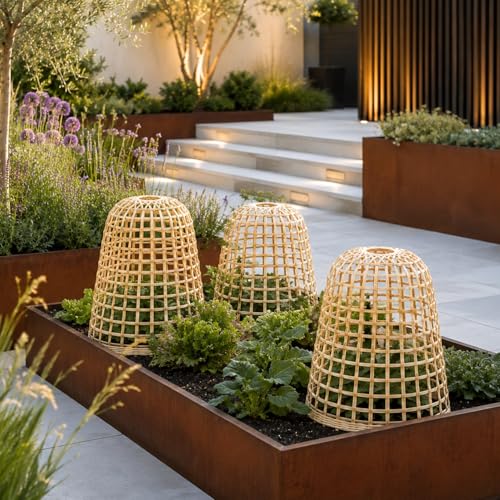
Bell cloches cover individual plants and suit specimens, containers or border gaps. Materials include glass, rigid plastic, or bamboo frames with fitted covers.
Tunnel cloches run in long lines over rows, using hoops with clear polythene, fleece or fine mesh covers, which is ideal for vegetable rows.
Cover materials determine function: – Clear polythene and polycarbonate trap maximum heat for early sowings and frost protection, but need ventilating on warm days – Horticultural fleece gives gentle protection (raising temperature slightly) while remaining breathable – Fine insect mesh keeps pests out without warming the soil
Be realistic about build quality and storage needs based on how you’ll actually use it.
Quick Comparison Table
|
Cloche |
Type |
Best for |
Price |
|
GardenSkill Pop-Up Mesh Cloche |
Fine mesh tunnel |
First-timers and pest control |
See card for current price |
|
Haxnicks Giant Easy Fleece Tunnel |
Fleece tunnel |
Frost protection |
See card for current price |
|
GardenSkill Bamboo Bell Cloche |
Individual bell |
Single plants and looks |
See card for current price |
|
Haxnicks Easy Poly Tunnel |
Polythene tunnel |
Rows of early veg |
See card for current price |
|
Access Glass Bell Cloche (set of 3) |
Glass bell |
Kitchen-garden charm |
See card for current price |
|
Agriframes steel Victorian cloche |
Metal and glass bell |
Buy-once heirloom |
Check Agriframes or Harrod Horticultural |
Our Top Picks
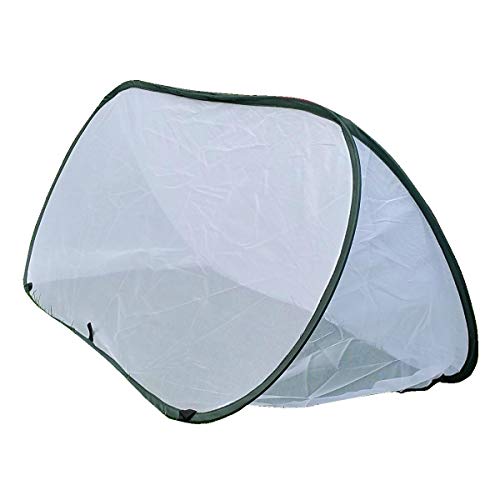
1. Pop-Up Mesh Cloche – Best for First-Timers
The GardenSkill pop-up cloche arrives flat and springs into a low tunnel in seconds, secured with ground pegs. The fine mesh keeps out pigeons, cabbage white butterflies and carrot fly while letting light, air and rain through. The mesh gives no frost protection, and the lightweight hoops can lift in strong winds without proper anchoring.
Key specs: GardenSkill Pop-Up Cloche Tunnel; insect mesh cover; 1.5m long x 0.6m wide x 0.6m high; pop-up hoop frame.
Pros: – Cheap – Sets up in seconds – Folds flat for storage – Excellent pest barrier
Cons: – No meaningful frost or heat protection – Flimsy in high wind – Covers eventually degrade in UV
Best for: First-time growers and anyone fighting carrot fly and cabbage whites.
2. Fleece Grow Tunnel – Best for Frost Protection
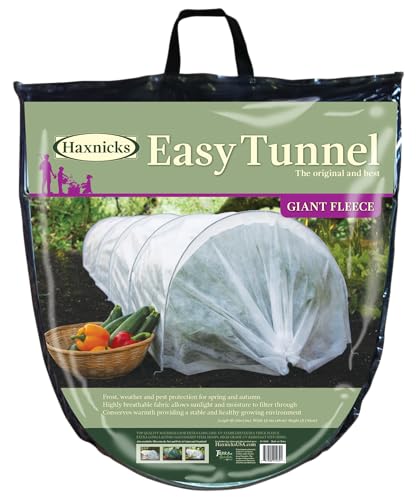
Horticultural fleece raises temperatures slightly and stops frost settling directly on foliage. Because fleece breathes, it can stay on plants for extended periods without overheating. The Haxnicks Giant Easy Fleece Tunnel is a 3m fold-out design that suits hardening off young plants, protecting autumn salads and supporting overwintering crops. Fleece thins and tears after a couple of seasons, though replacements are economical.
Key specs: Haxnicks Giant Easy Fleece Tunnel; 300 x 60 x 45cm; fold-out hoops with fleece cover.
Pros: – Forgiving – Good frost protection – Breathable – Light and easy to move
Cons: – Fleece perishes over time – Less see-through than polythene – Limited use in the height of summer
Best for: Frost protection, hardening off and overwintering salads.

3. Bamboo Bell Cloche – Best for Single Plants and Looks
Bamboo-framed bell cloches combine natural looks with practical protection for individual plants. The woven domes look more refined than plastic in borders. They act as light protection and decoration rather than serious frost shields, and fabric covers eventually need replacing, but bamboo weathers gracefully.
Key specs: GardenSkill Bamboo Bell Cloche; pack of 3; 30cm x 40cm high; woven bamboo frame.
Pros: – Attractive – Natural materials – Good for individual plants – Light to lift and store
Cons: – Covers only one plant – Modest protection – Fabric covers wear out
Best for: Single plants, border gaps and gardeners who care how it looks.
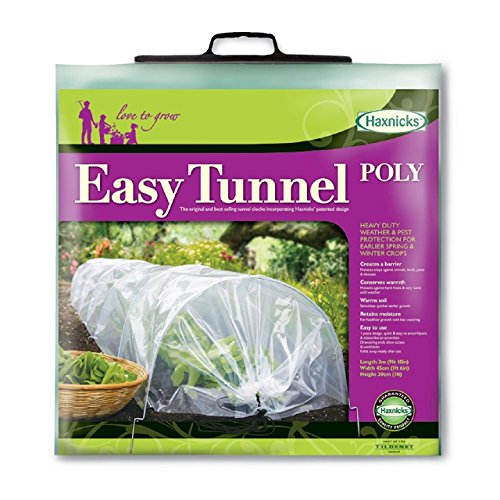
4. Haxnicks Easy Poly Tunnel – Best for Rows of Early Veg
Clear polythene maximises solar heat gain, warming soil and speeding growth. The Haxnicks Easy Poly Tunnel is a fold-out design with built-in hoops that goes up in about a minute.
Ventilation is essential: bright daylight can raise the internal temperature dramatically and scorch seedlings. Roll the ends or lift the sides by day and close before dusk. It extends both early spring and late autumn growing.
Key specs: Haxnicks Easy Tunnel Poly; standard size 300 x 45 x 30cm; polythene cover; reusable hoops.
Pros: – Strong heat gain – Quick to pitch – Reusable hoops – Great for early and late sowings
Cons: – Needs daily ventilation in sun – Polythene tears and clouds over time – No bird deterrent once opened
Best for: Rows of early veg and extending the season at both ends.
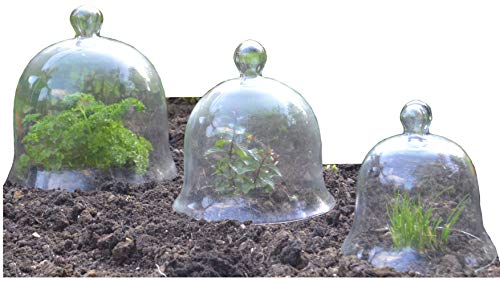
5. Glass Victorian Bell Cloche – Best for Kitchen-Garden Charm
Moulded glass domes sold in graduated sets retain heat effectively and never perish, cloud or blow away. The Access Garden Products set of three works as a lasting garden feature.
They are heavy and breakable, so not ideal with footballs or boisterous dogs. Vent on sunny days by lifting or propping the glass. Cared for, glass bells are the most attractive and durable way to protect individual plants.
Key specs: Access Garden Products Glass Bell Cloche; set of 3 graduated sizes; glass.
Pros: – Beautiful – Excellent heat retention – Never degrades – Ages gracefully
Cons: – Heavy – Breakable – Covers one plant only – Needs venting on hot days
Best for: Ornamental kitchen gardens and single specimen plants.
6. Agriframes Steel Victorian Cloche – Best Buy-Once Heirloom
Top-range options from specialists including Agriframes and Harrod Horticultural combine powder-coated steel or wirework frames with glass or rigid panels, marrying period looks with durability and often lift-off or hinged lids for easy access. They cost noticeably more than the rest of this list, so they are a long-term investment.
Serious kitchen gardeners propagating extensively, or wanting permanent raised-bed features, will justify it: steel resists rot, frames withstand wind, and reputable models carry substantial guarantees. Casual or patio growers may find them excessive, but they suit anyone wanting a single lifetime purchase. We couldn’t verify a current Amazon UK listing, so check Agriframes or Harrod Horticultural directly.
Key specs: Powder-coated steel or wirework frame; glass or rigid panels; lift-off or hinged lid.
Pros: – Superb build – Long guarantee – Weatherproof – Handsome permanent feature
Cons: – Expensive – Heavier and larger – Overkill for casual growers
Best for: Serious kitchen gardeners who want to buy once.
Getting the most from your cloche
Position cloches over bare soil a few weeks before sowing to pre-warm the ground for faster, more even germination. It works in autumn too, holding warmth to ripen the last tomatoes or keep salads going.
Ventilation is the single most common mistake. Clear plastic and glass can overheat within an hour on a bright spring day, so vent in the morning (open the ends or prop the lid) and close in the evening. Sealed cloches also block rain, so water by hand or choose breathable fleece or mesh.
Anchoring stops lightweight tunnels wandering across the plot in wind. Add planks or bricks along the edges on exposed sites, as well as ground pegs.
Our verdict
For most gardeners, a fleece grow tunnel plus a pop-up mesh cloche covers frost protection in the cold months and pest control through summer at modest cost. Add a clear Haxnicks poly tunnel for early crops, provided you ventilate daily. If looks matter, choose a glass Victorian bell set or a steel Agriframes cloche, both delivering for many years. Cloches are high-value kit that can be the difference between a good harvest and a lost crop.