Every British gardener has bought a lovely terracotta pot in summer, only to find it cracked through by spring. The culprit is water freezing inside the clay, expanding and splitting it. This guide tackles the real question: which containers actually survive a UK winter? The seven picks below range from budget recycled plastic to artisan British-made terracotta with lifetime guarantees.
How We Chose
We looked at containers from major retailers, including Amazon UK, B&Q and garden centres. Frost performance came first, then drainage, weight and UV resistance. We focused on pots 30cm across and larger, because smaller pots need watering twice a day in warm spells. Prices move with the season, so check the card for the current figure.
The Best Plant Pots at a Glance
- Budget option: Elho Green Basics Top Planter
- Traditional aesthetic: fibre clay planter
- Large plantings: Elho Green Basics Top Planter 47cm
- Glazed finish: high-fired glazed ceramic pot
- British craftsmanship: Whichford Pottery handmade flowerpot
- Apartment gardening: lightweight fibre clay or plastic under 5kg
- Starter collection: multi-pack recycled plastic pots
1. Elho Green Basics Top Planter – Best Budget
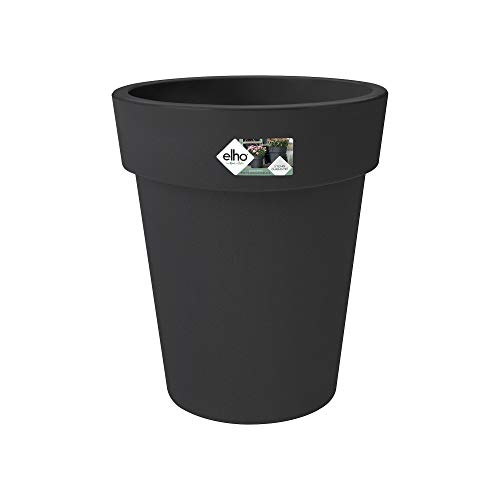
This recycled plastic planter will still be usable when you have forgotten you bought it. Elho makes genuinely UV, frost and weather-resistant containers, and the Green Basics range has simple tapered shapes in neutral colours. This is the Top Planter High 35, about 34.5cm across and 41cm tall.
Key specs: Recycled plastic; approx. Ø34.5 x H41cm; drainage provision; frost- and UV-resistant. See card for current price.
The main downside is the plastic look in a formal garden. It is light, crack-resistant and holds enough compost for shrubs to get through dry summers without daily watering.
Pros: – Excellent value – Recycled material – Frost-proof performance – Lightweight – Adequate drainage provision
Cons: – Visibly plastic up close – Minor colour fading over time – Can blow over if underplanted
Best for: Gardeners new to container planting, background displays and budget patio planting.
2. Fibre Clay Planter – Best Value Terracotta Look
Fibre clay is a mix of clay and fibreglass that gives the matt, stony look of clay or concrete with good frost resistance, at a fraction of the weight. The Gardenesque frostproof fibreclay square planter (38cm, faux lead finish) is a good example.
Key specs: Fibreclay resin; 38cm square; faux lead finish; frostproof.
It handles normal British winters but chips under direct impact, and it has less character than genuine clay. It suits gardeners who want a classic look without replacing frost-damaged terracotta every year.
Pros: – Stone or lead look – Much lighter than terracotta – Reliable frost performance – Several shapes and colours
Cons: – Corners can chip – Less character than real clay
Best for: Patios and entrances where classic looks matter but terracotta’s winter maintenance does not appeal.

3. Elho Green Basics Top Planter 47cm – Best for Large Shrubs and Small Trees
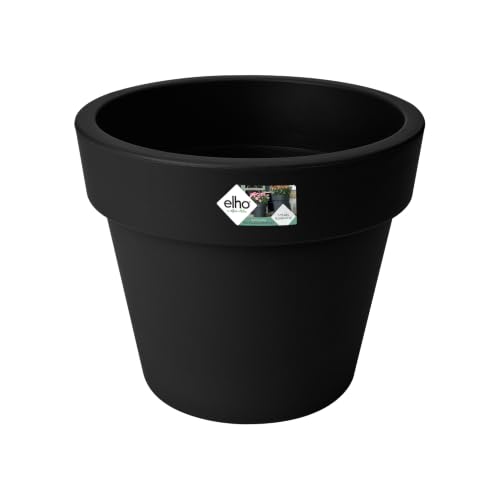
For shrubs, pot size stops being about looks and starts being about survival. The 47cm Top Planter measures about 47cm across and 40cm deep, giving big root systems and enough compost volume to avoid rapid drying out.
Key specs: Recycled plastic; approx. Ø47 x H40cm; frost- and UV-resistant; Living Black.
The extra capacity also helps stability, because a planted-up pot has the weight to resist the wind. It pairs well with a drip irrigation kit if you are not always around.
Pros: – Room for proper root development – Stable once planted – Frost and UV resistant
Cons: – Large plastic surfaces reveal the material – Heavy to reposition when wet
Best for: Shrubs, small trees, acers and permanent container plantings.

4. High-Fired Glazed Ceramic Pot – Best Glazed Ceramic
Glazed ceramic is the pot most gardeners picture on an attractive patio. The glaze seals the clay, improving moisture retention and cutting watering. High-temperature firing is what makes a glazed pot genuinely frost-proof, and cheaper glazed pots often lack it. Look for quality 35-40cm containers from a maker that states frost-proof clearly.
The critical distinction is frost-resistant versus frost-proof. The word glazed does not mean frost-proof. Many low-fired glazed pots crack in winter despite good looks, so look for an explicit frost-proof claim with a temperature or a guarantee. Suspiciously cheap glazed pots with no frost claim should be assumed unsuitable for year-round outdoor use.
Pros: – Superior moisture retention – Genuinely frost-proof when properly fired – Attractive finish – Wide choice of colours
Cons: – Heavy – Cheap glazed pots often lack frost protection – Chips show up clearly
Best for: Patio focal points, front doors and displays where the container is part of the look.
5. Whichford Pottery Handmade Flowerpot – Best British-Made
Whichford has made pots in Warwickshire for decades, using a clay body and firing process designed for British weather, with a frostproof guarantee. Prices start around £30 for smaller pots and rise well into three figures for large classical forms, so these are considered purchases rather than impulse buys. Whichford sells direct and through garden dealers rather than through Amazon.
You are paying for longevity and character. Handmade terracotta develops patina and a little moss at the base, and looks better after ten years than on day one. It is heavy and breakable, but it will not split in winter.
Pros: – British-made – Genuine frostproof guarantee – Ages beautifully – Wide range of traditional shapes
Cons: – Expensive – Heavy – Needs pot feet and good drainage
Best for: Gardeners committing to permanent containers and anyone fed up with losing cheap terracotta to frost.
6. Lightweight Fibre Clay Planter Under 5kg – Best for Balconies
Balcony gardening is about weight, which ground-level gardeners rarely consider. Wet compost weighs roughly a kilogram per litre, so big pots get heavy fast, often beyond what a lease allows. Keeping the empty pot light leaves headroom for compost and plants. The Dibor 40cm fibre clay box planter (44 litres, slate grey embossed finish) is a light, frost-tolerant example.
Key specs: Fibre clay; 40cm square box; 44L capacity; slate grey embossed finish; drainage hole.
Drainage planning matters because balcony pots usually sit in saucers and cannot drain onto the flat below. Raise the pot slightly on feet inside the saucer so it does not stand in water.
Pros: – Manageable weight – Easy to move – Frost-tolerant – Suited to balconies
Cons: – Lightweight pots blow over in exposed spots – Saucer drainage needs managing – Less visual presence than heavier pots
Best for: Balconies, roof terraces and anywhere pots have to be carried up stairs.
No products found.
7. Multi-Pack Recycled Plastic Pots – Best Set for Starting Out
Buying pots one at a time gets expensive quickly. A multi-pack of recycled plastic planters is the cheapest way to get a patio planted in an afternoon. The Wham Vista pack gives you three matching 60cm round planters made from 100% recycled plastic in Upcycle Grey.
Key specs: 100% recycled plastic; pack of 3; 60cm round; drainage; made in the UK; weather-resistant.
These are fixed-size and plain in style. But they tolerate frost, include drainage, and three matching pots look more considered than a random mix. Many gardeners use them as the working layer and add a few quality focal pots later.
Pros: – Most economical way to plant up a patio – Matching finish looks orderly – Frost-tolerant – Light enough to arrange
Cons: – Fixed size – Plain looks – Thinner walls than premium pots
Best for: New patios, first gardens and planting several large pots at once on a budget.

Plant Pots Compared
|
Pot |
Material |
Frost |
Price |
Best For |
|
Elho Green Basics Top Planter High 35 |
Recycled plastic |
Frost-proof |
See card for current price |
Budget, all-round |
|
Gardenesque fibreclay square 38cm |
Fibreclay resin |
Frostproof |
See card for current price |
Terracotta/stone look, light |
|
Elho Green Basics Top Planter 47cm |
Recycled plastic |
Frost-proof |
See card for current price |
Shrubs, small trees |
|
Glazed ceramic (high-fired) |
Glazed ceramic |
Frost-proof if high-fired |
Varies by maker |
Patio focal points |
|
Whichford handmade |
British terracotta |
Frostproof, guaranteed |
From around £30 (direct/dealers) |
Buy-once pots |
|
Dibor fibre clay box planter 40cm |
Fibre clay |
Frost-tolerant |
See card for current price |
Balconies |
|
Wham Vista 3-pack 60cm |
Recycled plastic |
Frost-tolerant |
See card for current price |
Starting from scratch |
How to Choose a Plant Pot
Frost Resistant Is Not Frost Proof
The two terms are used interchangeably in marketing, but they mean different things. Frost resistant means the pot will probably cope with a mild winter. Frost proof means the clay has been fired hot enough to absorb very little water. For outdoor containers that live out from October to March, look for frost-proof, ideally with a temperature or guarantee.
Go Bigger Than Feels Necessary
The most common mistake is buying too small. Thirty centimetres is the minimum sensible outdoor diameter, and bigger is better. Small pots dry out fast in hot weather and freeze harder in winter, which stresses plants. Larger containers buffer both extremes, costing more up front but saving you endless watering.
Drainage and Pot Feet
Every outdoor pot needs drainage holes that actually let water out. Pots sitting flat on paving seal themselves, causing waterlogging, root rot and freeze damage. Pot feet or tile offcuts lifting the pot one to two centimetres are cheap and the single most effective improvement you can make.
Weight, Wind and Where It Lives
Think about where the pot will live. Exposed spots need heavy pots or heavy planting to anchor them, while balconies need the opposite. Large wet pots are very heavy, so plant caddies with wheels beat lifting.
Material at a Glance
- Recycled plastic: Cheapest, lightweight, frost-proof, visibly plastic
- Fibre clay: Stone-like look, light, strong frost performance, chips under impact
- Glazed ceramic: Best looks, moisture-retentive, heavy, frost-proof only if properly fired
- Terracotta: Classic, breathable, dries fast, needs genuine frost-proofing to survive outdoors
- Metal and concrete: Durable but heat-absorbing and extremely heavy respectively
Looking After Your Pots
Clean containers between plantings, since old compost harbours pests and disease and terracotta builds up salt deposits. Warm water and a stiff brush usually do it. Before late autumn, check drainage holes are clear, make sure pots sit on feet, and move marginal plants against a wall for extra warmth. If you are unsure about a pot, empty it and store it dry rather than risk a freeze.
If you are managing lots of containers, a drip irrigation kit or tap timer is worth it beyond three or four pots. Grouping pots together gives mutual shade, cuts water loss and looks better than scattered singles.
FAQ
Do Plant Pots Really Need Drainage Holes?
Yes, for every outdoor container. Without drainage the compost waterlogs, roots rot and winter moisture freezes. If you fall for a pot without holes, drill it carefully with a masonry bit on slow speed, or use it as a cover for a draining plastic pot.
Will Terracotta Survive a UK Winter?
Quality high-fired terracotta from a maker that guarantees frost-proofing survives easily. Cheap imported terracotta made for warmer climates often fails in the first hard frost, and the price difference reflects real performance.
What Size Pot Do I Need?
Thirty centimetres diameter is a sensible minimum outdoors. Shrubs, small trees and permanent plantings deserve 40cm and up. Oversizing beats undersizing: nobody regrets a pot that is too big, but plenty of gardeners water small ones twice a day in July.
Should I Put Crocks in the Bottom of a Pot?
Mostly unnecessary with modern composts and decent drainage holes. Broken shards can actually raise the waterlogged zone rather than lower it. Keep holes clear and raise the pot on feet instead.
Can I Leave Pots Planted Through Winter?
With frost-proof containers and hardy plants, yes. Position pots against house walls for shelter, raise them on feet for drainage, and wrap borderline hardy plants in fleece. Cracked containers and frozen roots do more damage than cold air.
Our Verdict
For most gardeners, the Elho Green Basics Top Planter is the sensible answer. It is cheap, recycled, genuinely frost-proof and affordable enough to buy several. If you want a traditional look without replacing pots every year, the Gardenesque fibreclay planter is a good middle ground.
If you can invest, handmade Whichford pots stay in the garden for twenty years and improve as they age. Whatever you choose, going larger and putting pots on feet will help far more than spending more on the pot.