Why Winterise Your Garden Tools?
Garden tools take a hammering during the season, and then most of us stick them in the shed still covered in soil. Over a damp British winter that is a recipe for rust, seized pivots and splintered handles. A single afternoon of tool care in autumn costs very little, makes your tools last years longer, and means you can start spring pruning and digging with kit that is ready to go.
This guide walks you through the process in order: clean, sharpen, oil, treat the handles, and store everything properly. Where it helps, we have included a few simple products that make each job easier. You do not need much, and none of it is expensive.
What You Will Need
- A stiff brush or wire brush for removing soil and rust
- A bucket of warm water and an old rag or sponge
- A diamond file or sharpening stone
- A little light oil for metalwork
- Boiled linseed oil for wooden handles
- Safety goggles and gloves
Step-by-Step: How to Winterise Garden Tools
Step 1: Gather everything together
Collect tools from the shed, greenhouse and garage into one place, ideally on a workbench or on a sheet on the ground. Include the small stuff such as trowels, snips and dibbers as well as the big spades and forks, because they are the first to rust.
Step 2: Remove soil and debris
Knock off lumps of soil, then scrub with a stiff brush and warm soapy water. A garden hose can help for caked-on mud. Dried sap on pruners and loppers can be removed with a rag and a little white spirit or a specialist cleaner, taking care to keep it off the plastic grips.
Step 3: Deal with rust
Light surface rust usually comes off with a wire brush or some coarse wire wool. Work along the blade until you reach bare, clean steel, then wipe it down. For heavily rusted tools, a rust remover or a soak in vinegar can help, but always rinse and dry thoroughly afterwards.
Step 4: Dry completely
Moisture is the enemy, so dry every tool with a rag, and leave anything with a pivot or hollow handle in a warm room for an hour or so. Putting oil over damp metal simply traps the water against the surface.
Step 5: Sharpen the cutting edges
Sharpen secateurs, loppers, shears, hoes and spades while the blades are clean and bare. Hold a diamond file at the same angle as the existing bevel and make smooth strokes away from the cutting edge, and then lightly remove any burr on the flat side. Spades and hoes only need a few strokes of a stone on the leading edge. Take care with fingers, and wear gloves.
Step 6: Oil the metal
Wipe a thin film of light oil over the blades and any bare metal surfaces, and put a drop or two on pivots and springs. Work the moving parts open and closed a few times to spread it, then wipe off any excess so it does not attract grit.
Step 7: Treat wooden handles
Rub down rough or splintery handles with sandpaper, then wipe on boiled linseed oil with a rag. Leave it to soak in and wipe off the excess after about 15-30 minutes. Oily rags can self-heat, so lay them out flat outdoors until dry, or put them in a bucket of water before disposal.
Step 8: Service your power tools
Petrol and electric tools need attention too. Clean mower decks and hedge trimmer blades, check and charge batteries according to the manufacturer’s advice, and drain or stabilise petrol before long-term storage. Our lawnmower maintenance guide goes through the detail.
Step 9: Store tools properly
Hang tools on a wall rack or hooks rather than leaving them in a heap, as this keeps blades off the floor and away from damp. A dry shed or garage is ideal, and a bag of silica gel or a small tin of dry sand soaked in oil can help in a damp space. Keep cordless batteries somewhere frost-free rather than in a cold shed.
Products That Make Tool Care Easier
None of the following is essential, but each one saves time and effort. All have been checked as available at the time of writing, and prices are approximate.
| Product | Job | Approx Price |
| Wire Brush Set | Remove soil and rust | around £8-12 |
| Amtech E2556 Diamond File | Sharpen small blades | around £7-11 |
| Draper Silicone Carbide Stone | Sharpen larger blades | around £5-9 |
| 151 Multipurpose Oil | Oil metalwork and pivots | around £4-7 |
| Rustins Boiled Linseed Oil | Treat wooden handles | around £4-6 |
1. Wire Brush Set, Heavy Duty Carbon Steel (Set of Brushes)
A stiff wire brush is the first tool you need for winter tool care, because everything else depends on getting caked-on soil, sap and surface rust off the metal. A multi-brush set gives you different sizes for blades, spade faces and tight corners around hinges and springs, and costs very little.
Pros: Cheap, quick to use, gets into awkward corners, removes loose rust and dried soil before oiling.
Cons: Wire bristles shed and can scratch softer metals, so it is best kept for steel blades, and goggles are sensible.
Who it suits: everyone – this is the starting point for any tool clean.
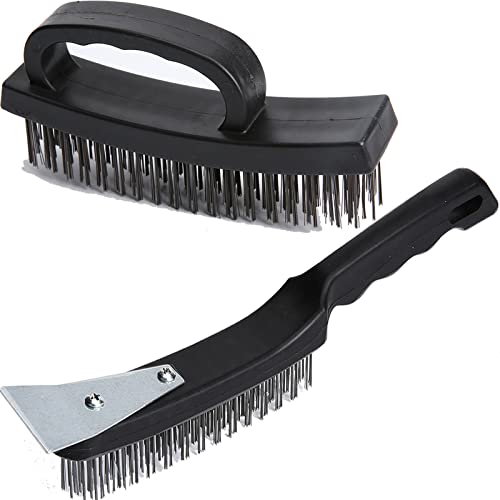
- Saved you hours of blood, sweat energy– The paving brush includes a long handle paving brush and a block brush to complete your basic cleaning tool kit and help you remove heavy grime and dirt.
- Solid brush with Blade Scraper – These large wire brushes for cleaning have a hard metal scraper that is attached directly to the head of long handle wire brush for easily scrape stubborn debris.
- Ergonomic Handle Grip-The plastic body with easy grip handle is lightweight & designed to give you extra support with the curved grips during cleaning and to protect your hands against harm while you are working.
- Durable Steel Wire Brush Hard Bristles − the head of this long handled metal brush has 4 rows of heavy-duty metal bristles. The graffiti remover bristles are secured to the plastic body to provide an intact binding and to withstand thorough cleaning to remove heavy accumulations of dirt and rust.
- Multifunction Brushes - The patio cleaner brush set will support you to clean extreme dirt surfaces of stuck on concrete, metal, stone and wood. It can be used to remove corrosion, welding swarf, moss or grout rust remover; also can act as a wire brush for paint removal, Clean Grout, remove weeds & moss, patio cleaner brush, and brick wire brush.
2. Amtech E2556 Diamond Sharpening File
A small two-sided diamond file is one of the simplest ways to restore an edge on secateurs, shears, loppers and pruners before they go into storage. Sharp blades cut cleanly, which heals faster on the plant, and a quick pass in autumn means you are ready when spring pruning begins.
Pros: Inexpensive, compact, works on many small blades, no oil or water needed.
Cons: Takes a little practice to keep a consistent angle, and it is not suited to large axe or mower blades.
Who it suits: gardeners with secateurs, snips and hand shears to look after.
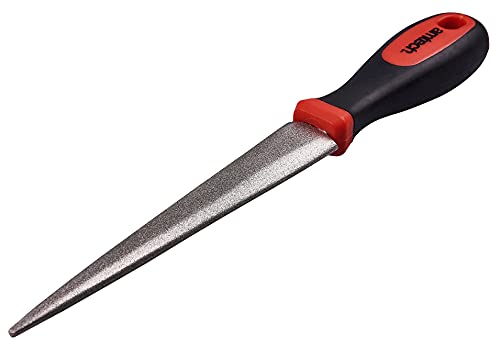
- DIAMOND SHARPENING FILE: Designed for precision and reliable use in DIY and trade projects
- DURABLE BUILD: Made to withstand regular use in demanding environments
- VERSATILE SIZE: Suitable for a wide range of household and trade applications
- SMOOTH OPERATION: Engineered to deliver consistent performance
- HOUSEHOLD & PROFESSIONAL USE: Suitable for DIYers and tradespeople alike

3. Draper Silicone Carbide Sharpening Stone
A traditional bench stone is a step up from a pocket file for edges on spades, hoes and larger blades. Silicone carbide stones are a standard workshop item, and a small 100mm stone is easy to store in a drawer or tool box and use outdoors.
Pros: Trade-brand stone at a modest price, handy size, works on many blade types.
Cons: Needs a steady hand and a little technique, and is not a quick fix for badly damaged blades.
Who it suits: gardeners who want to keep a better edge on digging tools and hoes.
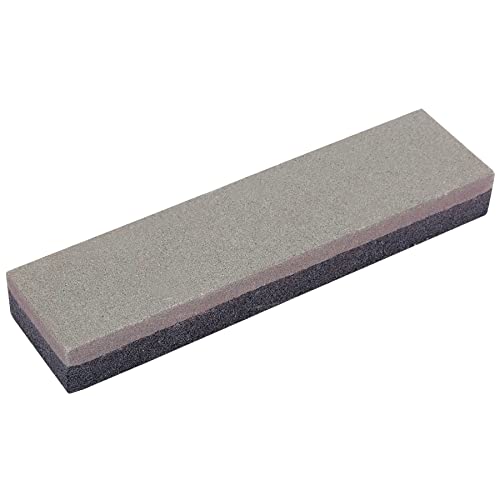
- Efficient – Silicone Carbide stone designed for effective and efficient blade sharpening ensuring optimal cutting performance.
- Convenient- 100mm long sharpening stone for extended reach and efficient blade maintenance.
- Reliable – Peace of mind with Draper tools quality guaranteed for reliability and performance.
4. 151 Multipurpose Oil with Precision Applicator (100ml)
After cleaning, a light film of oil on metal surfaces helps keep rust at bay through the damp months. A small bottle with a precision nozzle is ideal for pivots on secateurs and loppers, spring mechanisms and thin coats on blades, without leaving everything slick.
Pros: Small bottle with a handy applicator, low cost, good for pivots and springs as well as blades.
Cons: Not designed for wooden handles, and it needs wiping off excess so it does not collect grit.
Who it suits: anyone who wants a cheap, simple oil for hand tool metalwork.
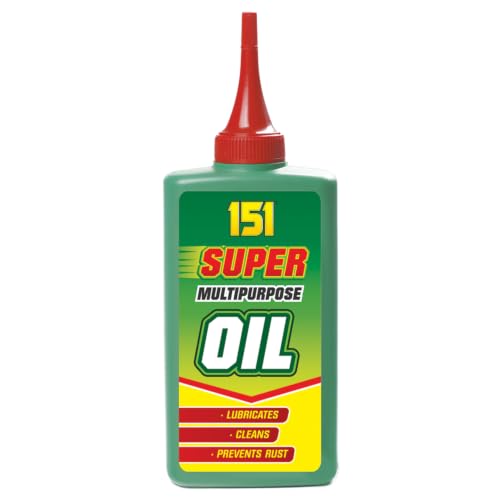
- THREE ACTION FORMULA: Lubricates, cleans and helps prevent rust in one easy bottle. Use it on squeaky hinges, stiff locks or metal parts that need regular care around the home, shed or workshop.
- PRECISION APPLICATOR: The small targeted applicator tip gives close control, so oil goes where it is needed. Add one or two drops to a door hinge, lock or small appliance part without soaking the area.
- LITTLE GOES FAR: Only one or two drops are needed for many small jobs, helping the bottle last longer. Keep it nearby for quick fixes on locks, hinges, tools and other everyday moving parts.
- MADE FOR BIGGER JOBS: For bicycle chains, machinery or garden tools, apply a light, even layer from the applicator. Repeat the targeted application across larger areas until each moving section is covered.
- HELPS PREVENT RUST: Regular use helps protect metal from rust, tarnish and seizure. Apply it to garden tools, lawnmower parts or stored equipment before damp weather or long periods without use.
5. Rustins Boiled Linseed Oil, 125ml
Wooden handles dry out, split and splinter if they are left to the elements. Boiled linseed oil is a long-standing treatment for wooden tool handles, soaking in and giving some protection against moisture. A small bottle goes a long way on a shed full of spades, forks and rakes.
Pros: Traditional treatment for wooden handles, small affordable bottle, easy to apply with a rag.
Cons: Oily rags can be a fire risk if left bundled up, so they must be laid flat to dry or soaked in water and disposed of safely.
Who it suits: anyone with wooden-handled spades, forks, hoes and rakes.
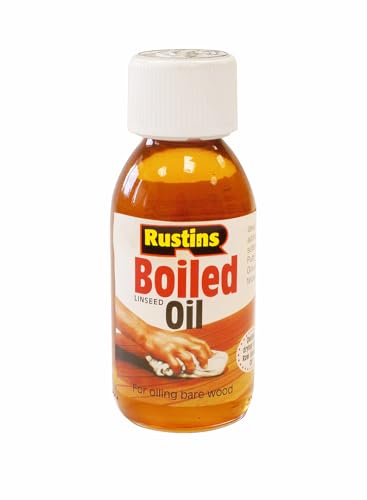
- Enhances natural wood appearance by deeply penetrating wood surfaces to reveal the rich, warm grain pattern; perfect for wooden furniture, antique restoration, and interior timber care
- Protective finish for indoor and outdoor use delivers a water-resistant barrier that reduces weather-related wear and damage; improves longevity of wooden items in varied climates
- Quick-drying and easy to apply with brush or cloth; the refined oil formula reduces waiting time between coats while providing a smooth, glossy surface; ADD TO BASKET now
- Multi-purpose application for timber care supports use on hardwood, softwood, and unsealed surfaces including flooring, wooden doors, worktops, and fencing; delivers a consistent finish
- Trusted Rustins quality since 1924 offering long-lasting performance with high absorption properties that minimise cracking, splitting, and surface fatigue without synthetic additives
Care Tips for Specific Tools
Spades, forks and hoes
Scrape the blades clean after every use, wipe over with an oily rag and keep them off the floor. Spades and hoes cut better with a keen leading edge, so a few strokes with a stone each autumn make digging noticeably easier.
Secateurs, loppers and shears
These are the tools most likely to get a sticky pivot. Take them apart if the design allows, clean sap from the blades, oil the pivot and check the spring. Replacement blades and springs are available for many quality brands, which is usually cheaper than buying new.
Wheelbarrows and trolleys
Empty out old soil and leaves, wash the tray, check the tyre pressure, and grease the wheel bearing if it has one. A barrow left full of wet leaves will rust through the tray surprisingly quickly.
Hoses, watering cans and sprayers
Drain hoses fully before frost, coil them loosely and store them out of the weather. Empty watering cans and sprayers, rinse out sprayer tanks, and bring any pumps indoors so that trapped water does not freeze and crack the plastic.
Plant pots and trays
Scrub out used pots and seed trays with hot soapy water to remove old compost and reduce the carry-over of pests and disease. They will be ready to go when seed sowing begins in spring.
Frequently Asked Questions
Can I use cooking oil on garden tools?
Vegetable oil is sometimes used as a cheap rust preventer on blades and it does work for a time, but it can go sticky and turn rancid. A light mineral-based tool oil is a more reliable choice for long-term storage.
How often should I sharpen secateurs?
For regular use, a quick touch-up with a diamond file every few weeks of heavy pruning, and a proper sharpen at the end of the season, is plenty. If you are crushing stems rather than cutting them cleanly, it is time to sharpen.
Is it worth treating cheap tools?
Yes. Even budget tools last much longer when kept clean and dry, and a rusty, blunt tool is more tiring and less pleasant to use than a clean one.
Common Mistakes to Avoid
- Oiling tools while they are still damp, which traps moisture and encourages rust.
- Using too much oil, so that tools attract soil and sand on the next job.
- Sharpening with the wrong angle, which makes a blade duller rather than sharper.
- Leaving tools out overnight in autumn leaves and rain.
- Forgetting small hand tools, which often rust first.
When Should You Do It?
Autumn, once the main growing season is over and before the frosts, is the ideal time. You will still be using some tools for leaf clearing and bulb planting, so it is worth doing a quick clean after each job through the winter and a proper overhaul at the end of the season. A second check in early spring gets everything ready for the busy months ahead.
Safety First
Wear gloves and eye protection when wire brushing, sharpening and using rust removers, and keep sharp blades pointed away from your body. Clamp larger tools in a vice or workbench rather than holding them in your lap, and always read the label on any oil, cleaner or rust remover, working in a well-ventilated space. Take a moment to put sharp tools away safely, with blades covered or closed, out of reach of children.
Our Recommendation
If you only buy two things, make them a wire brush set and a bottle of light oil, because cleaning and oiling do the most to prevent rust. Add a diamond file for secateurs and shears, and a small bottle of boiled linseed oil if your tools have wooden handles. With a couple of hours spent each autumn, most tools will see out decades of use.
More Garden Reviews
Looking for more? These related MyGreenShed guides are worth a read next: