Autumn is when thoughts turn to protecting greenhouse plants from frost. A little insulation is the cheapest, simplest way to hold on to a few precious degrees, keep the frost off tender plants, and knock a chunk off your winter heating bill. This guide covers bubble wrap, fleece kits and clips suited to UK gardeners. Late summer and early autumn is the ideal time to buy, before stock sells out.
Why insulate a greenhouse at all?
Glass and polycarbonate are poor insulators. An insulating layer traps still air against the glazing and slows heat loss significantly. That can cut heating costs by around half in a heated greenhouse, or make frost-free overwintering possible in an unheated one. The trade-off is reduced light, so horticultural-grade materials are preferable to packaging alternatives.
What to look for
Key features that separate durable insulation from false economy:
- Horticultural-grade, UV-stabilised material rather than packaging bubble wrap
- Bubble size (20-30mm for better insulation; 10mm for maximum light)
- Triple-laminated construction for durability
- Clear film for high light transmission
- The right fixings (clips for aluminium frames; staple gun for timber)
Greenhouse insulation at a glance
|
Product |
Type |
Best for |
Price |
|
Elixir Gardens 25mm Triple-Laminated Bubble + Clips |
Bubble wrap kit |
Best all-rounder |
See card for current price |
|
Harrod Horticultural 20mm Bubble Wrap |
Premium bubble roll |
Long-term durability |
Not on Amazon, see retailer |
|
Elixir Gardens 10mm Bubble Insulation + Clips |
Budget bubble roll |
Maximum light / small spaces |
See card for current price |
|
Gardening Naturally Fleece Insulation Kit |
Fleece + clips kit |
Quick, easy fit |
See card for current price |
|
Greenhouse Stores 30mm Professional Bubble |
Heavy-duty bubble roll |
Cold, exposed sites |
Not on Amazon, see retailer |
|
Elixir Gardens Insulation Fixing Clips |
Fixings |
Aluminium frames |
See card for current price |
|
VEVOR / generic horticultural bubble roll |
Budget bulk roll |
Large greenhouses on a budget |
Varies by seller |
The best greenhouse insulation for 2026
1. Elixir Gardens 25mm Triple-Laminated Bubble Insulation with clips – best all-rounder
Key specs: Horticultural-grade bubble with 25mm bubbles, triple-laminated, UV resistant, several widths and lengths available, fixing clips included. See card for current price.
Pros: – Excellent insulation – Tough triple-laminated build – Clips included – Several sizes available
Cons: – Large bubbles reduce light somewhat – Separate staple gun needed for timber frames
Best for: General UK gardeners seeking balanced performance.

2. Harrod Horticultural 20mm Greenhouse Bubble Wrap – premium durability
Key specs: British horticultural-grade, UV-stabilised, good light transmission, sold as a roll without clips. Available direct from Harrod Horticultural.
Pros: – Excellent clarity – Strong laminated build – Long lifespan
Cons: – Higher price – Clips sold separately
Best for: Long-term use where plant growth is the priority.
3. Elixir Gardens 10mm Bubble Insulation – best for light and small greenhouses
Key specs: Horticultural-grade, UV-resistant, triple-laminated film with smaller 10mm bubbles, lightweight, supplied with fixing clips. See card for current price.
Pros: – Better light transmission – Economical – Easy to handle
Cons: – Less insulating than thicker bubble – Thinner film is more prone to tearing
Best for: Small greenhouses and light-hungry crops.
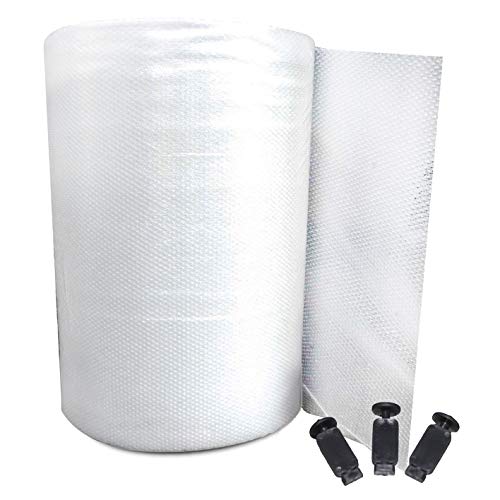
4. Gardening Naturally Greenhouse Insulation Fleece Kit – easiest to fit
Key specs: 30g horticultural fleece with clips, sold in several sizes to suit standard aluminium greenhouses. See card for current price.
Pros: – Complete kit included – Rapid installation – Breathable and reusable
Cons: – Less insulating than bubble wrap – Cuts more light
Best for: Quick, straightforward installation.

5. Greenhouse Stores 30mm Professional-Grade Bubble – for cold, exposed sites
Key specs: Heavy-duty 30mm bubble with UV-stabilised film, built for durability and maximum trapped air. Sold by Greenhouse Stores.
Pros: – Maximum insulation – Highly durable – Suited to harsh sites
Cons: – Significant light reduction – Bulkier to fit and store
Best for: Exposed, frost-prone locations.
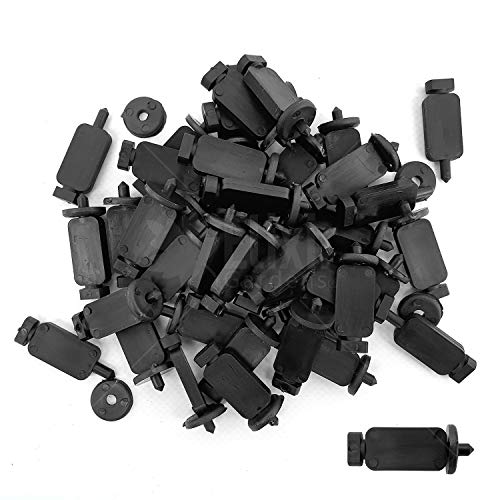
6. Elixir Gardens Greenhouse Insulation Fixing Clips – the fixings that make it work
Key specs: Plastic clips that secure bubble wrap to aluminium greenhouse frames, reusable each year. Pack size varies by listing; see card.
Pros: – Affordable – Reusable – Essential for aluminium frames
Cons: – Fit only certain frame profiles – Unnecessary for timber frames
Best for: Aluminium greenhouse frames.
7. VEVOR / generic horticultural bubble roll – best for big greenhouses on a budget
Key specs: UV-stabilised horticultural bubble sold in long rolls at a lower cost per metre than premium brands.
Pros: – Economical per metre – Practical for large areas
Cons: – Variable quality – Check it is genuinely horticultural grade
Best for: Large installations on a budget.
How to fit greenhouse insulation
Fit on a dry, windless day. Clean the glass thoroughly first. For aluminium frames, fit the clips to the glazing bars, then hook the bubble wrap over them from the top down with slight overlaps, keeping it taut. Timber frames need stapling. Insulate doors and vents separately so you can still ventilate on milder days. Ventilation matters more than people expect. A sealed, insulated greenhouse gets damp, and damp plus mild winter temperatures is a recipe for grey mould.
Insulation plus heating: the winning combination
Insulation alone cannot add warmth in a hard frost, so pair it with a thermostatic heater. The insulation holds the heat in and the heater runs less often, cutting costs. A max-min thermometer is a useful check on overnight minimum temperatures.
Frequently asked questions
Does greenhouse bubble wrap reduce light too much?
Yes, somewhat. Any insulation costs you some light. Clear, high-clarity horticultural film with smaller bubbles keeps the greenhouse brightest, while thick 30mm bubble insulates best but dims the most. In winter the light lost is usually a fair trade for the warmth gained.
Can I use normal packaging bubble wrap?
Packaging bubble lacks UV stabilisation and turns brittle and cloudy after one season outdoors. Horticultural bubble costs more up front but lasts several winters, so it works out cheaper.
When should I put insulation up and take it down?
Put it up in mid-to-late autumn (late September to October) before hard frosts arrive. Take it down in spring (March-April) once frost risk fades and plants need maximum light.
How much do I need?
Measure the total glazed area and add 10-15% for overlaps and door coverage. Standard kit sizes (6×4, 8×6, 10×8) take out the guesswork.
Our verdict
For most UK gardeners, the Elixir Gardens 25mm triple-laminated bubble insulation with clips is the best all-round choice: tough, genuinely insulating and ready to fit out of the box. Harrod Horticultural 20mm bubble is the pick for light and longevity at a higher price. The Gardening Naturally fleece kit is the easy, budget-friendly option, and those in colder regions should consider 30mm professional bubble. Fit before the first frost, add a thermostatic heater if needed, and keep ventilating on mild days.