An unshaded greenhouse can climb well past 40°C on a sunny UK summer day, scorching leaves and stressing plants. Shading is the single most effective way to keep things cool, alongside good ventilation, and there are affordable options from budget paint to premium blinds.
Our top greenhouse shading picks at a glance – Best overall: LATERN HDPE knitted shade net – Best budget: Bayer Coolglass shading paint – Best for aluminium greenhouses: Internal netting fitted with greenhouse twist clips – Best premium choice: External roller blind or reflective shade net
Netting, paint or blinds — which type of shading is best?
Shade netting
Shade netting is a knitted or woven mesh, usually made from UV-stabilised high-density polyethylene (HDPE). It is sold by percentage of light blocked (typically 30-55%), with 40-50% recommended for UK tomatoes, cucumbers and peppers. Fitted on the outside it is by far the most effective option, because it stops the sun before it hits the glass.
Shading paint
Shading paint is a white or clear-ish liquid you brush, roll or spray onto the outside of the glass in late spring, then scrub off in autumn. It is easily the cheapest option and requires no clips or framework. The downside is lack of adjustability — it shades cloudy days too. Modern products like Coolglass become more transparent when wet, letting more light through on rainy days.
Blinds and roller shades
Roller blinds and roll-down external shades give you the most control of all. They are the most expensive route but provide a smart, permanent solution with on-demand adjustment.
Quick Comparison Table
|
Product |
Best for |
Cooling |
Adjustable? |
Price |
|
Bayer Coolglass shading paint |
Budget / glass greenhouses |
Good |
No |
See card for current price |
|
LATERN 55% HDPE shade net |
Most gardeners (best value) |
Very good (external) |
Yes |
See card for current price |
|
Greenhouse twist clips (internal netting) |
Aluminium greenhouses |
Moderate |
Yes |
See card for current price |
|
LATERN 40% net with grommets |
Larger / multiple structures |
Very good |
Yes |
See card for current price |
|
External roller blind |
Premium, permanent setup |
Excellent |
Yes (easily) |
Varies by size and make |
|
Aluminet reflective net |
Extreme heat / full sun |
Excellent |
Yes |
See card for current price |
Our Top Picks
1. Bayer Coolglass Greenhouse Shading — Best Budget Option
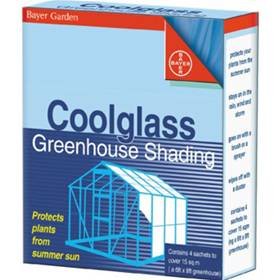
Coolglass is a dilute-and-apply shading paint that covers a typical greenhouse. Apply from May and remove in September. Its key feature is that the coating turns more translucent when it rains, so your plants get more light on dull, wet days and full shading when it is dry and bright.
Key specs: Powder/sachet shading applied to exterior glass; mix with water; rain-responsive translucency.
Pros: – Extremely cheap – No fixings needed – Lasts all season
Cons: – Messy to apply and remove – Not adjustable day-to-day – Best on glass only
Best for: Budget-conscious owners of glass greenhouses
2. LATERN 55% HDPE Shade Cloth (2m x 3m) — Best Overall Value
A UV-resistant HDPE knitted shade cloth in a handy 2m x 3m size. The versatility is the appeal: throw it over the outside for maximum cooling or fix it inside if wind is a concern. At 55% it suits full-sun greenhouses; for cooler spots choose a lower-percentage net.
Key specs: 55% shade; HDPE knitted; 2m x 3m; UV resistant.
Pros: – Flexible and reusable – Great cooling when fitted externally – Cheap
Cons: – Needs tying or clipping down securely – Loose nets can flap in the wind
Best for: Most gardeners wanting the best value cooling

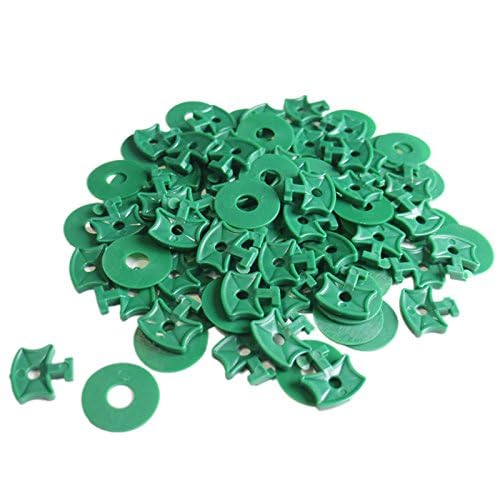
3. Greenhouse Twist Clips for Internal Shade Netting — Best for Aluminium Greenhouses
For aluminium greenhouses, spring or twist clips slot into the glazing bars so netting can be fixed neatly inside with no drilling. This KINGLAKE pack of 50 clips and washers is the fixing half of an internal kit; pair it with any shade net (such as pick 2 or 4) cut to size. Internal netting is not quite as effective at cooling as external netting — the heat has already passed through the glass — but it is far tidier, never blows away, and is much easier to put up and take down.
Key specs: 50 twist clips plus 50 washers; for aluminium glazing bars; no drilling.
Pros: – Neat and secure – Easy to fit and remove – No wind worries
Cons: – Less cooling than external shading – Netting is bought separately
Best for: Aluminium greenhouse owners who want a tidy internal fit
4. LATERN 40% Shade Cloth with Grommets (2m x 6m) — Best for Larger Plots
For larger structures, a sunblock shade cloth with pre-punched grommets is excellent value. Metal grommets make it easy to tie down with cord or bungees and stop the fabric tearing at the fixing points, which is where cheaper nets fail.
Key specs: 40% shade; HDPE; 2m x 6m; metal grommets.
Pros: – Strong grommets – Large size – Multi-purpose and good value
Cons: – Bulkier to store – Can be overkill for a small greenhouse
Best for: Larger greenhouses or multiple structures

5. External Roller Blind / Roll-Down Shade — Best Premium Choice
An external roller blind or roll-down shade gives you push-button-simple control over how much sun reaches your plants. Fitted above the roof or on the sunny side, you pull it down when the sun is fierce and roll it up when the sky clouds over. Quality roller shades typically cost more than netting and need fixing securely to the frame, so they suit gardeners who want a permanent, good-looking solution.
Key specs: Roll-down external shade; made to size for your greenhouse; fixed to the frame.
Pros: – Fully adjustable – Excellent cooling – Tidy and permanent
Cons: – Most expensive option – Needs proper fixing
Best for: Prized greenhouses where you want on-demand control
6. Aluminet Reflective Shade Cloth (2m x 3m) — Best for Extreme Heat
A reflective knitted net with metallic-look threads reflects a portion of the sun’s energy away, keeping the interior noticeably cooler while still diffusing light evenly. It costs a little more than plain HDPE and is best fitted externally.
Key specs: Reflective aluminium-thread knitted net; 2m x 3m; UV resistant.
Pros: – Reflects heat for a cooler interior – Diffuses light well
Cons: – Dearer than standard netting – Best fitted outside
Best for: Plots that bake in full sun all day

How to Choose the Right Greenhouse Shading
Start with your greenhouse type: shading paint for traditional glass or timber greenhouses on a budget, internal netting with clips for aluminium frames, and external shade net for anyone wanting maximum cooling.
For shade percentage, 40-50% is ideal for general summer crops such as tomatoes, cucumbers and peppers: enough to stop scorch without starving your plants of the light they need to fruit. Use 30% for cooler locations, and 50-60% for shade-lovers or full-sun plots.
Regarding placement, external shading is roughly 20-30% more effective because it blocks the sun before it heats the glass. Netting fitted outside can keep a greenhouse several degrees cooler than the same net fitted inside. External fitting requires secure fastening against wind.
When Should You Put Greenhouse Shading Up in the UK?
As a rule of thumb, shading goes up in late spring and comes down in early autumn — typically fitting it from mid-to-late May, once the sun is high and strong, and removing it in September as light levels drop.
Keep an eye on your greenhouse thermometer — if daytime temperatures are regularly pushing past the high 20s°C, it is time to shade. Shading works best alongside good ventilation and watering: open vents, dampen floors, and consider automatic vent openers.
Greenhouse Shading FAQs
What percentage shade net is best for a greenhouse?
For most UK greenhouses growing tomatoes and general summer crops, a 40-50% shade net is ideal. It blocks enough sun to prevent leaf scorch and overheating while still letting plenty of light through. Go higher (50-60%) only if you grow shade-loving plants or garden in full, all-day sun.
Is it better to shade a greenhouse inside or outside?
Outside, if you can. External shading blocks the sun before it passes through the glass and can keep a greenhouse several degrees cooler than the same netting fitted inside. Internal netting is tidier and never blows away, so it is a fair trade-off if you value convenience over maximum cooling.
Can I use shade netting on a polycarbonate greenhouse?
Yes. Shade netting works on glass and polycarbonate alike, and it is often the better choice for polycarbonate because shading paint can be awkward to scrub off plastic glazing without scratching it. Clip or tie the net in place rather than using anything adhesive.
How long does greenhouse shade netting last?
A good UV-stabilised HDPE net will typically last several summers if you fold it away and store it dry over winter. Cheaper nets without reinforced edges or grommets tend to fray and tear at the fixing points first, which is why it is worth paying a little more for good edges.
Our Verdict
For most UK gardeners, a good HDPE shade net at 50-55% is the option we would choose first — it is cheap, flexible, reusable and does the best job of keeping a greenhouse cool when fitted on the outside. If budget is tight, shading paint remains an unbeatable few-pounds fix, while aluminium greenhouse owners will love the tidiness of a clip-in internal kit. Spend a little more on a roller blind or reflective net if you have a prized greenhouse or a plot that bakes all day. Install before the first heatwave and pair shading with good ventilation.