Affiliate disclosure: MyGreenShed is reader-supported. We may earn a small commission when you buy through links on this page. We only recommend products we have used or thoroughly researched.
A little effort before the first hard frosts pays off all winter and gives you a head start in spring. UK winters are rarely extreme, but they are damp, changeable and occasionally savage, and it is the combination of wet roots and a sudden freeze that does the most harm. This guide walks through the jobs worth doing, in a sensible order, with advice for small and large gardens alike.
You do not need to do everything in one weekend. Work through the list over several weeks from late October, and tackle the frost-sensitive jobs first.
When to Start
In most of England and Wales the first frost arrives somewhere between late October and mid-November, a little earlier in Scotland and on higher ground, and a little later in coastal and city gardens. Keep an eye on the forecast and have fleece and covers to hand. A good rule is to protect tender plants once nights are forecast at around 5 degrees Celsius or below, rather than waiting for the first frost to catch you out.
1. Clear and Tidy the Beds
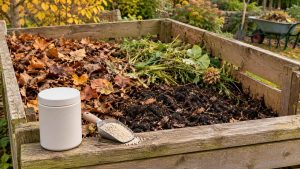
Start by removing the dead and diseased material that would otherwise harbour pests through winter. Cut back spent annuals and pull out any plants that have finished. Anything healthy can go on the compost heap, but leave out diseased material, perennial weeds with seed heads and blighted potato or tomato foliage, which are best binned or taken to the council green waste.
That said, do not tidy too thoroughly. Hollow stems and seed heads provide shelter and food for insects and birds, and they look lovely when frost catches them. Leave some of your ornamental grasses, teasels and sedums standing until late winter.
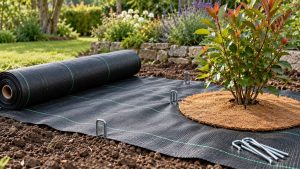
Mulch is one of the best jobs you can do now. Spread a layer of garden compost, well-rotted manure or leaf mould about 5-8cm thick over bare soil. It insulates the roots, suppresses weeds and feeds the worms that improve your soil over winter. Keep it clear of plant stems to avoid rot.
2. Deal With Fallen Leaves
Leaves are a free resource, not just a nuisance. On lawns and paths they need clearing, because a wet carpet of leaves blocks light, encourages disease and makes paths slippery. In beds they can be left to rot down naturally.
Collect lawn leaves with a rake, a leaf sweeper or a blower and store them in a wire bin or bag to make leaf mould. It takes a year or two, but the result is a superb soil conditioner. Our guide to leaf mould bins and composters has some good ideas if you want to set one up.
3. Protect Tender and Container Plants
Plants in pots are more exposed than those in the ground, because the roots can freeze through on all sides. Move vulnerable pots to a sheltered spot against the house wall, group them together for mutual protection, and raise them on pot feet so water can drain and the base does not freeze to the ground.
Terracotta and cheaper ceramics can crack in a hard frost when water inside the material expands, so wrap pots in bubble wrap or hessian, or bring them into a shed or porch. Tender perennials such as dahlias and cannas can be lifted once frost has blackened the foliage, dried off and stored in a cool, frost-free, dry place.
For plants that stay in the ground, horticultural fleece is the simplest protection. Drape it over the plant and anchor the edges, and remove it on mild days to let air circulate. Our review of the best garden fleece covers what to look for.
Tree ferns, tender palms and other exotics benefit from having their crowns stuffed with straw and wrapped in fleece. Mound a little extra mulch over the crowns of plants such as agapanthus and penstemon.
4. Look After the Lawn
Grass keeps growing in mild spells, so there may be a final cut needed in late October or November. Raise the mower blade a little, to about 5cm, and only cut when the grass is dry. After that, leave the mower alone until spring.
Autumn is also the best time to repair the lawn. Aeration relieves compaction on wet, heavy soils, and you can find the right tool in our guide to the best lawn aerators, or read our step-by-step advice on how to aerate your lawn. Brush a sandy top dressing into hollow-tined holes, rake out moss, and use an autumn lawn feed, which is low in nitrogen and high in potash to harden the grass against cold.
Try to keep off frozen or waterlogged grass, since walking on it damages the blades and leaves brown footprints that last into spring.
5. Prune With Care
Winter is the time for pruning many deciduous trees and shrubs while they are dormant. Apples, pears and many hedges can be cut back, and removing dead, damaged or crossing branches is always worthwhile. However, avoid pruning plums, cherries and other stone fruit in winter, as they are prone to silver leaf disease and are better cut in summer.
Leave spring-flowering shrubs such as forsythia and lilac alone until after they have bloomed, or you will cut off the flower buds. Roses can be reduced by about a third now to stop wind rock, with the main prune coming in late winter. Always use clean, sharp tools, which give a cleaner cut that heals faster.
6. Plant for Spring and the Year Ahead
Autumn is a good time to plant. The soil is still warm, and rain does much of the watering for you. Spring bulbs, bare-root hedging, trees, shrubs and fruit bushes can all go in over the next few weeks. Tulips are best left until November, while daffodils should go in as early as you can. Garlic and autumn onion sets can be planted now too, as can broad beans and hardy peas for an early crop.
Give new plantings a good soak after planting, even in autumn, and stake taller trees if the site is exposed.
7. Care for Greenhouses, Sheds and Structures
Give the greenhouse a thorough clean with warm water and a mild disinfectant, so that fewer pests and diseases overwinter in the corners. Clean the glass to maximise the weak winter light. If you grow tender plants through winter, consider insulating with bubble wrap, as described in our post on the best greenhouse insulation, and a heater to keep the frost out.
Check the roof and gutters on the shed and outbuildings, and fix any loose felt or panels before the winter gales arrive. Clear out downpipes and gutters, because blocked ones overflow in heavy rain and can freeze solid. A quick look at fence panels and trellis is worth doing now, since high winds find any weakness.
8. Manage Water
Disconnect hoses and drain them so the water does not freeze and split the pipe. Fit an insulated cover to outside taps, or turn off the supply to them at the isolation valve inside the house, then open the tap to drain it.
Water butts should be emptied a little, so ice has room to expand, and the downpipe diverter should be left open to avoid ice damaging it. A butt that is cleaned and ready will fill beautifully over winter, giving you free rainwater for spring. See our guide to the best water butts if you need a new one.
9. Clean, Sharpen and Store Tools
Gardening tools earn their keep for years if you look after them. Scrape off soil, wash and dry the metal parts, wipe them with an oily rag to ward off rust, and sharpen blades before they go into storage. Drain the fuel from petrol mowers and strimmers, or add a stabiliser, and clean the underside of the mower deck. Cordless batteries are best stored indoors, partly charged, rather than in an unheated shed.
Getting everything off the floor makes the shed easier to use and helps prevent damp and rust, and a tool rack or wall storage system can be a neat solution.
Furniture should be cleaned and covered or stored. Cushions are best kept indoors or in a waterproof box, where they will not turn mouldy.
10. Help Wildlife Through Winter
A garden that works for wildlife is much more alive in winter. Leave a log pile or a patch of long grass in a quiet corner for hedgehogs and insects, and check any bonfire pile for hedgehogs before lighting it. Hedgehogs need somewhere to hibernate, so leave a gap at the base of fences for them to travel through.
Birds need a regular supply of food and unfrozen water in cold weather. Clean feeders regularly to reduce the spread of disease, and keep them topped up through the coldest weeks. Our guide to the best bird feeders is a good place to begin. If you have a pond, float a ball on the surface or use a de-icer so that a hole stays open for gas exchange, rather than smashing ice with a hammer.
11. Check and Prepare Paths and Surfaces
Wet leaves, moss and algae make patios and paths slippery. Brush them clear, and treat green growth before the frosts arrive. Keep a bucket of grit or sand somewhere handy, and have a shovel ready in case of snow. Do not use rock salt on or near plants, since it can harm the soil and damage lawn edges.
Preparing for Snow and Storms
Heavy snow can snap branches on evergreens and conifers, so gently brush it off with a broom, working upwards from the bottom of the branch. Do not shake frozen branches, as brittle growth breaks easily. Secure loose items such as trampolines, lightweight planters and garden furniture before a named storm arrives, and check that stakes and ties on young trees are firm but not tight.
Greenhouse glazing clips, shed doors and fence posts are the places gales find first, so a quick walk round with a screwdriver and a pot of preservative is time well spent. In snowy spells, clear paths and steps early, since compacted snow turns to ice and is much harder to shift.
Small Gardens and Large Gardens
In a small garden or courtyard, the priority is containers and shelter. Group pots together, raise them off the ground and make the most of walls, which hold a little warmth. A cold frame or a mini greenhouse gives you protected space for tender plants and winter salads without taking over the plot.
In a larger garden, the work is mainly about timing and tools. Prioritise the jobs that cannot wait, such as lifting tubers and protecting valuable specimens, and spread out the leaf clearing and mulching. A shredder or a leaf vacuum can save hours, and a strong wheelbarrow earns its keep when you are moving bulky mulch around.
A Seasonal Checklist
| When | Jobs to Do |
| Late October | Lift tender plants, clear leaves, plant bulbs, clean the greenhouse |
| November | Mulch beds, protect pots, plant bare-root trees and hedges, final lawn cut |
| December | Prune dormant trees, check stored tubers, clean and store tools, feed the birds |
| January and February | Check protection after storms, order seeds, prune roses, plan the year ahead |
Frequently Asked Questions
Should I cut everything back before winter?
No. Leave seed heads, hollow stems and ornamental grasses to protect plants and provide shelter for wildlife. Cut back messy, diseased or collapsed foliage, and do the rest in late winter.
Can I leave tender plants outside if I cover them?
In milder, sheltered gardens, many plants cope with a good mulch and fleece, but very tender ones will need to come inside. If in doubt, protect them for the coldest weeks and move them in when the forecast dips well below freezing.
Is it too late to plant in November?
Not at all. Bare-root trees, shrubs and hedges are best planted between November and March whenever the soil is not frozen or waterlogged. Tulips also go in well now.
Final Thoughts
Preparing your garden for winter is mainly about reducing risks: frost, wet, wind and neglect. Do a little each weekend, protect what is vulnerable, and leave some areas wild for wildlife. When spring arrives, you will be glad of the tidy tools, the nourished soil and the healthy plants waiting for you.
More Garden Reviews
Looking for more? These related MyGreenShed guides are worth a read next: